
Bolshoi Theatre tickets 29 September 2026 - Premiere Mefistofele | GoComGo.com

Premiere
Mefistofele

Bolshoi Theatre, Historic Stage, Moscow, Russia
All photos (9)
Select date and time
7 PM
Request for Tickets
Important Info
Type: Opera
City: Moscow, Russia
Starts at: 19:00
Acts: 4
Sung in: Italian

E-tickets: Print at home or at the box office of the event if so specified. You will find more information in your booking confirmation email.

You can only select the category, and not the exact seats.
If you order 2 or 3 tickets: your seats will be next to each other.
If you order 4 or more tickets: your seats will be next to each other, or, if this is not possible, we will provide a combination of groups of seats (at least in pairs, for example 2+2 or 2+3).

Cast
Performers
Choir: Bolshoi Theatre Chorus
Orchestra: Bolshoi Theatre Orchestra
Creators
Composer: Arrigo Boito
Librettist: Arrigo Boito
Director: Giancarlo del Monaco
Overview

Arrigo Boito’s Mefistofele brings the dramatic world of Goethe’s Faust to the operatic stage in a work of extraordinary scale and ambition. Presented at the Bolshoi Theatre, this monumental opera combines powerful choral writing, richly coloured orchestration, lyrical arias, and a story that explores temptation, knowledge, love, and the struggle between good and evil.

Libretto by composer based on the tragedy “Faust” by Johann Wolfgang Goethe

Structured in a prologue, four acts, and an epilogue, the opera follows the wager between Mefistofele and God over the soul of Faust. The devil promises Faust the experience of absolute fulfilment, setting in motion a journey that leads from philosophical doubt to passion and ultimately to spiritual redemption. The story also brings Faust into the life of Margherita, whose love and suffering become central to the opera’s emotional drama.

Boito’s score is distinguished by its monumental choral scenes and striking contrasts between the supernatural and the deeply human. The famous “Ave, Signor degli angeli”, Margherita’s haunting “L’altra notte in fondo al mare”, and the celebrated “Dai campi, dai prati” reveal the composer’s ability to combine dramatic intensity with lyrical beauty.

The work has a particularly interesting history at the Bolshoi: the theatre first presented Mefistofele in a production that premiered in 1902, with subsequent performances beginning in 1903. Among its notable performers was the legendary bass Feodor Chaliapin in the title role.

With its imposing dramatic concept, unforgettable music, and spectacular choral writing, Mefistofele offers an impressive encounter with one of the most ambitious works of Italian opera. Its combination of philosophical ideas, romantic drama, and supernatural atmosphere makes it a distinctive choice for an evening at the Bolshoi Theatre.

History
Premiere of this production: 05 March 1868, La Scala, Milan

Mefistofele is an opera in a prologue and five acts, later reduced to four acts and an epilogue, the only completed opera with music by the Italian composer-librettist Arrigo Boito. 

Synopsis

Prologue

A heavenly chorus of angels praises God the Creator. Mefistofele scornfully declares that he can win the soul of Faust. His challenge is accepted by the Forces of Good.

Act 1
Scene 1, Easter Sunday

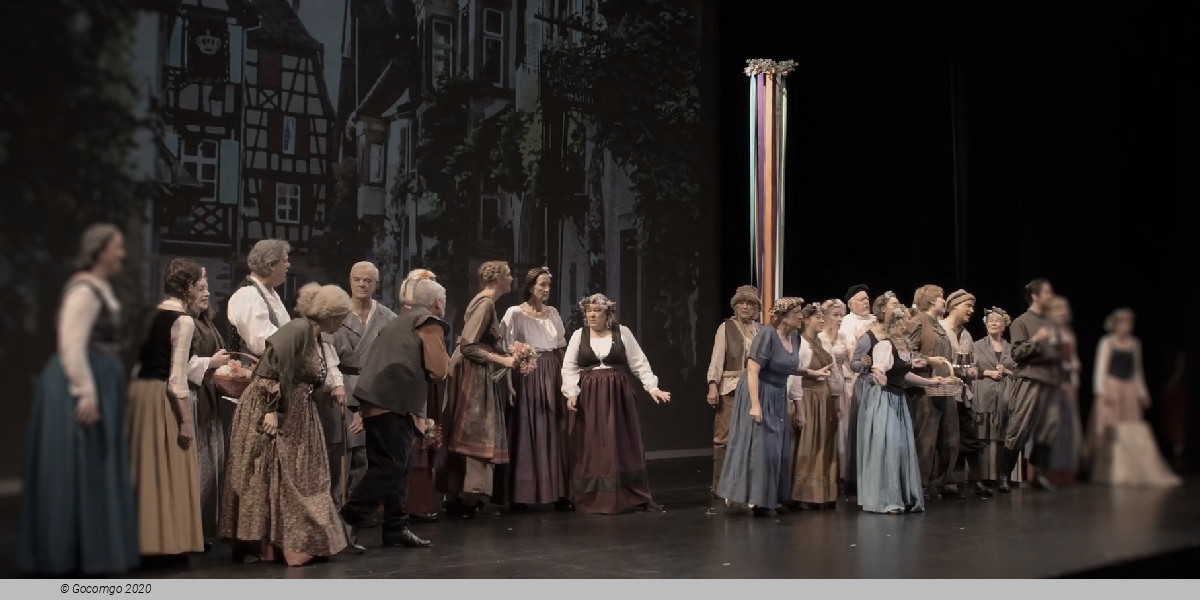
The aged Dr. Faust and his pupil Wagner are watching the Easter celebrations in the main square in Frankfurt. Faust senses that they are being followed by a mysterious friar, about whom he senses something evil. Wagner dismisses his master’s feelings of unease and as darkness falls they return to Faust’s home.

Scene 2, The Pact

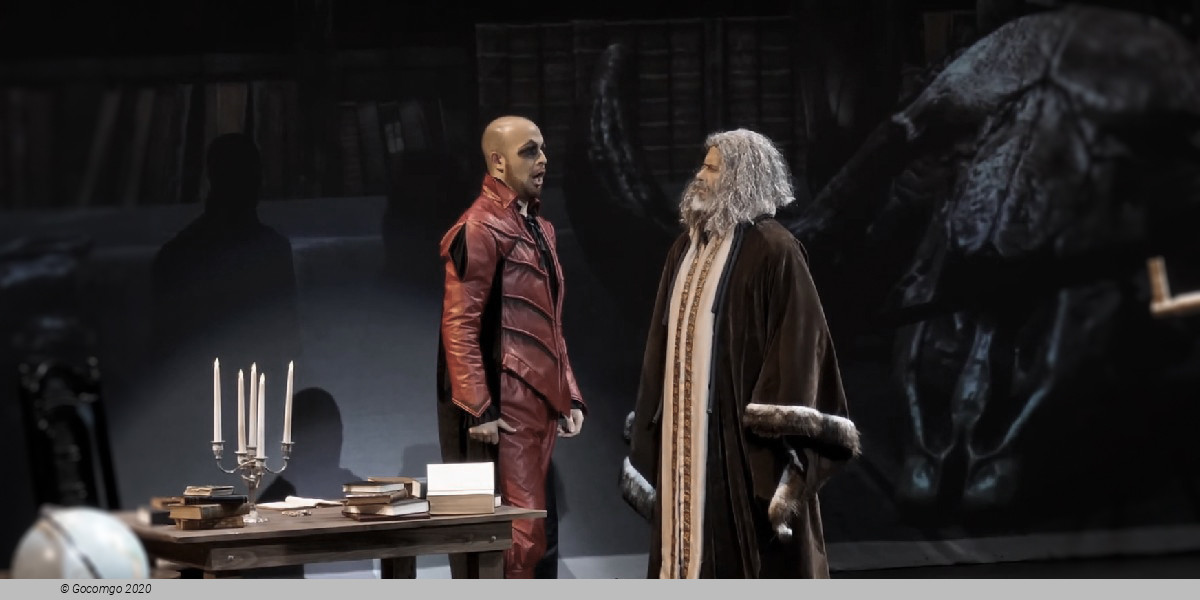
Faust is in his study, deep in contemplation. His thoughts are disturbed in dramatic fashion by the sudden appearance of the sinister friar, whom he now recognizes as a manifestation of the Devil (Mefistofele). Far from being terrified, Faust is intrigued and enters into a discussion with Mefistofele culminating in an agreement by which he will give his soul to the devil on his death in return for worldly bliss for the remainder of his life.

Act 2
Scene 1, The Garden

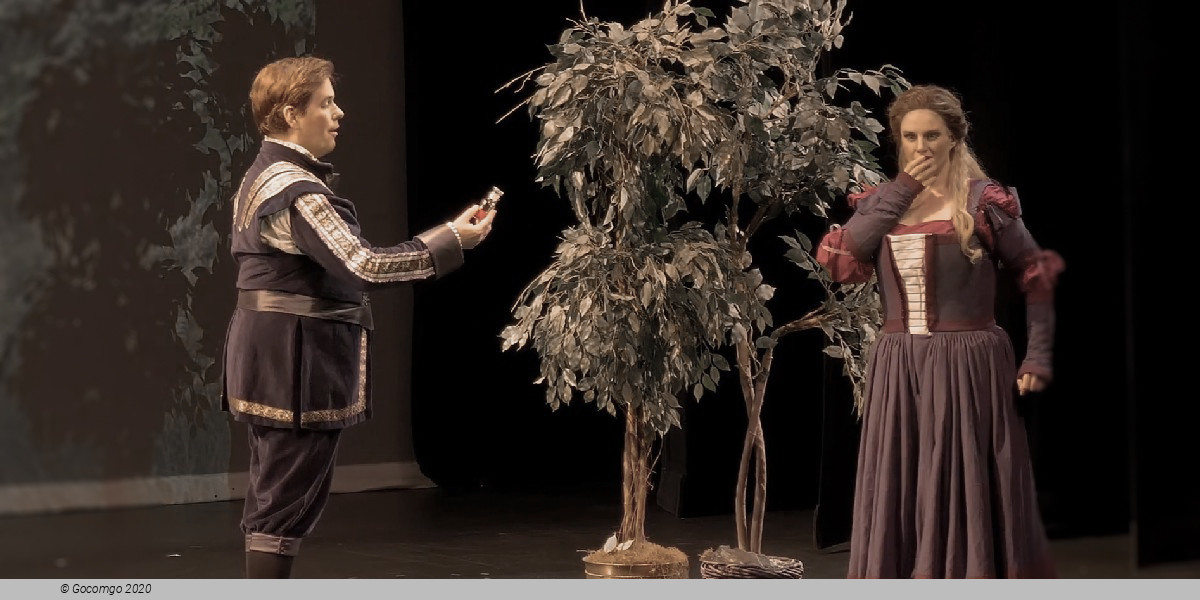
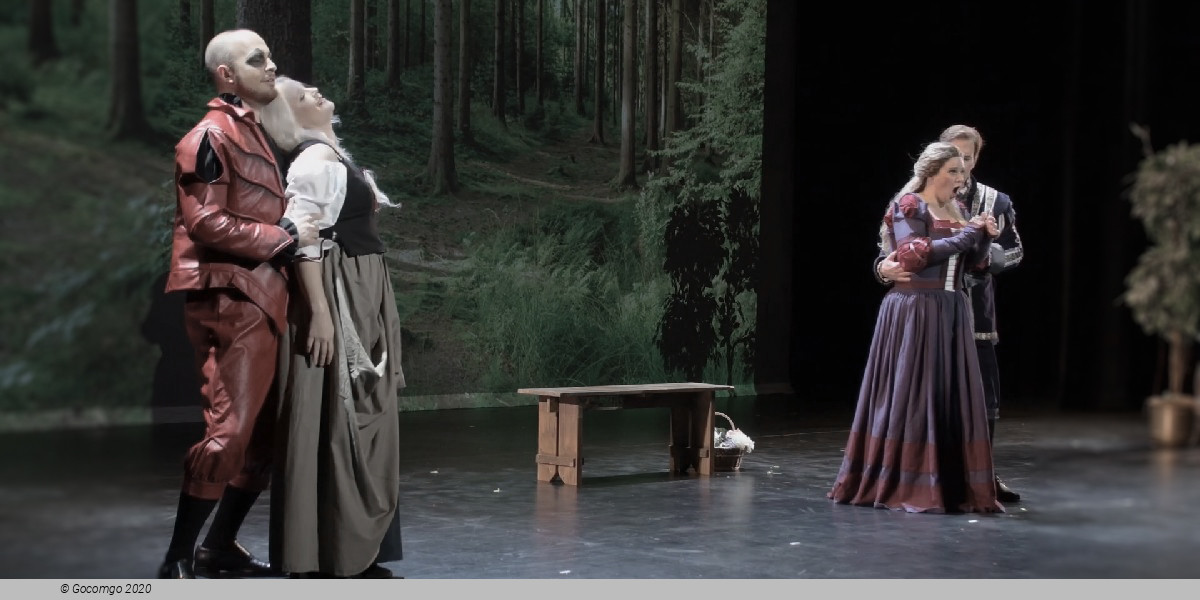
Restored to his youth, Faust has infatuated Margareta, an unsophisticated village girl. She is unable to resist his seductive charms and agrees to drug her mother with a sleeping draught and meet him for a night of passion. Meanwhile, Mefistofele amuses himself with Martha, another of the village girls.

Scene 2, The Witches Sabbath

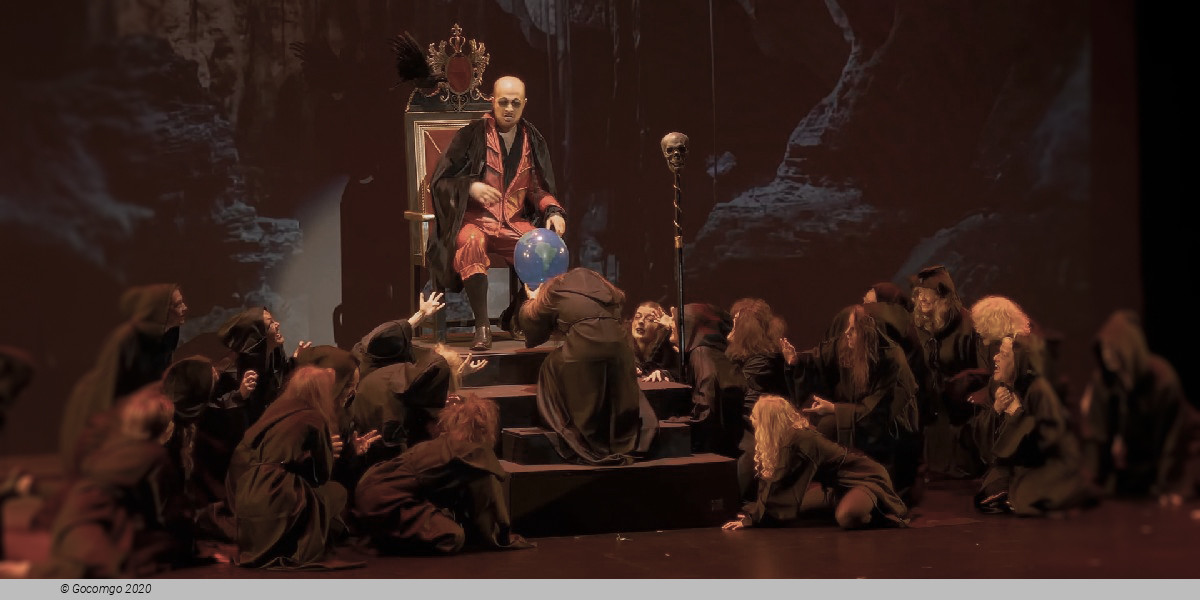
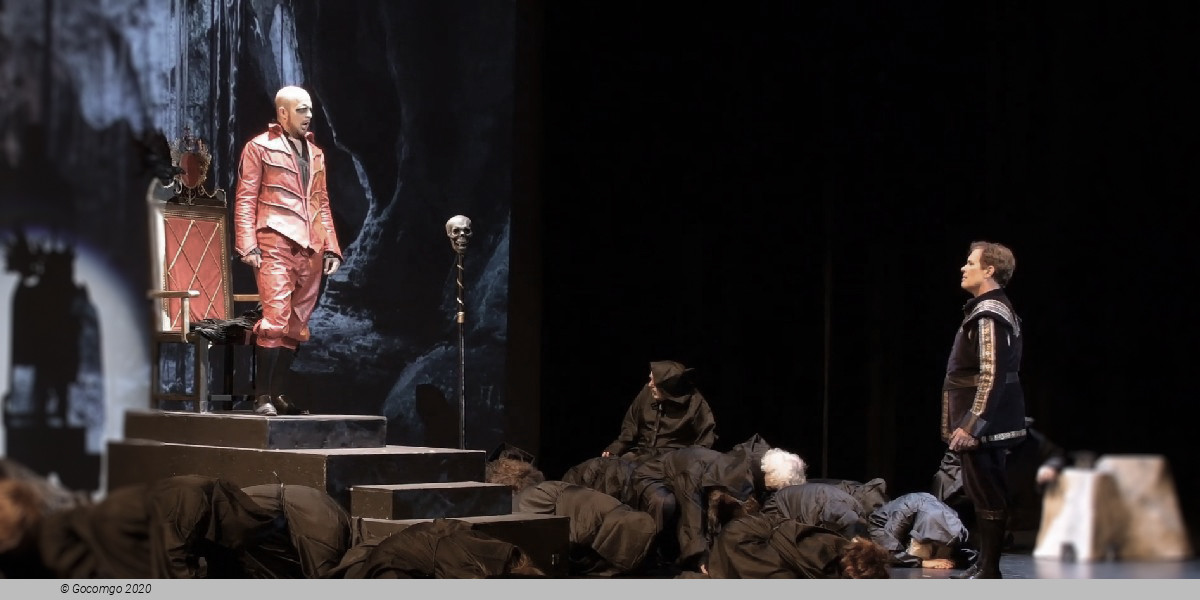
Mefistofele has carried Faust away to witness a Witches' Sabbath on the Brocken mountain. They reach to the top and hear the sound of witches approaching from below. They draw near and Mefistofele, declaring himself king, calls to them to bow down before him. The devil mounts his throne and proclaims his contempt for the World and all its worthless inhabitants. As the orgy reaches its climax, Faust sees a vision of Margherita, apparently in chains and with her throat cut. Mefistofele reassures him that the vision was a false illusion. The revels continue.

Act 3

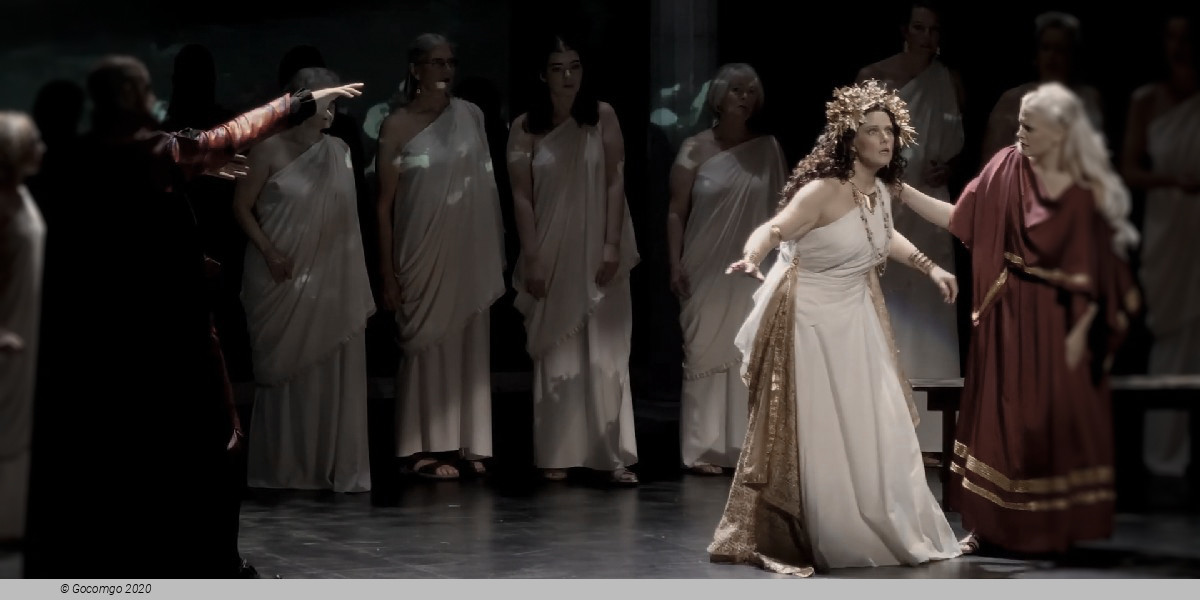
Faust's vision had been true. Margareta lies in a dismal cell, her mind in a state of confusion and despair. She has been imprisoned and condemned to death for poisoning her mother with the sleeping draught supplied by Faust and for drowning the baby she had borne him. Faust begs Mefistofele to help them escape together. They enter the cell and at first Margareta does not recognize her rescuers. Her joy at being reunited with Faust turns to horror when she sees Mefistofele and recognizes that he is the Devil. Refusing to succumb to further evil, Margareta begs for divine forgiveness. She collapses to the cell floor as the Celestial choir proclaims her redemption.

Act 4

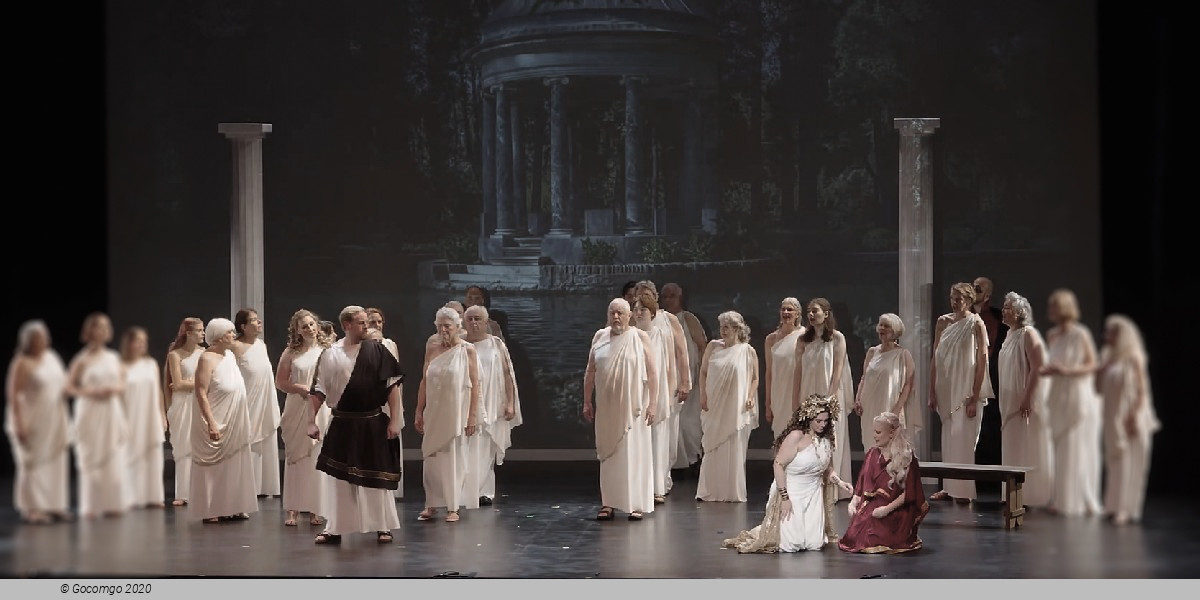
Mefistofele has now transported Faust back in time to Ancient Greece. Helen of Troy and her followers are enjoying the luxurious and exotic surroundings on the banks of a magnificent river. Faust, attired more splendidly than ever, is easily able to win the heart of the beautiful princess. In a passionate outpouring, they declare their undying love and devotion to each other.

Epilogue
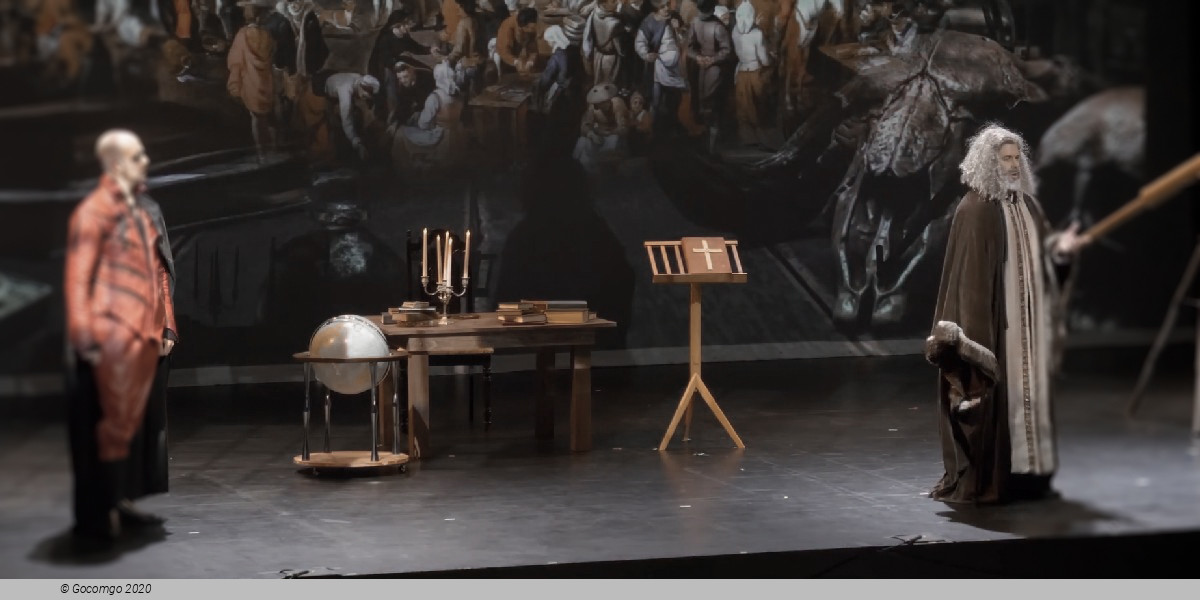
Back in his study, Faust, once more an old man, reflects that neither in the world of reality nor of illusion was he able to find the perfect experience he craved. He feels that the end of his life is close, but desperate for his final victory, Mefistofele urges him to embark on more exotic adventures. For a moment Faust hesitates, but suddenly seizing his Bible he cries out for God's forgiveness. Mefistofele has been thwarted; he disappears into the background as Faust dies and the Celestial choir once more sings of ultimate redemption.

Venue Info

Bolshoi Theatre - Moscow
Location   Teatralnaya Square 1

The Bolshoi Theatre is one of the world’s most iconic cultural landmarks, renowned for its grandeur, history, and artistic excellence. Located in the heart of Moscow, this legendary theatre has been home to unforgettable performances of opera and ballet for over two centuries. Its majestic architecture, world-class acoustics, and rich tradition make every event at the Bolshoi a truly unforgettable experience.

On 28 March (17 according to the old style) 1776, Catherine II granted the prosecutor, Prince Pyotr Urusov, the "privilege" of "maintaining" theatre performances of all kinds, including masquerades, balls and other forms of entertainment, for a period of ten years. And it is from this date that Moscow’s Bolshoi Theatre traces its history.

The Bolshoi building, which for many years now has been regarded as one of Moscow’s main sights, was opened on 20 October 1856, on Tsar Alexander II’s coronation day.

On 29 October 2002 the Bolshoi was given a New Stage and it was here it presented its performances during the years the Main Stage was undergoing massive reconstruction and refurbishment.

The reconstruction project lasted from l July 2005 to 28 October 2011. As a result of this reconstruction, many lost features of the historic building were reinstated and, at the same time, it has joined the ranks of most technically equipped theatre buildings in the world.

The Bolshoi Theatre is a symbol of Russia for all time. It was awarded this honor due to the major contribution it made to the history of the Russian performing arts. This history is on-going and today Bolshoi Theatre artists continue to contribute to it many bright pages.

The Bolshoi Ballet and Bolshoi Opera are among the oldest and best known ballet and opera companies in the world. It is by far the world's biggest ballet company, with more than 200 dancers.

Important Info
Type: Opera
City: Moscow, Russia
Starts at: 19:00
Acts: 4
Sung in: Italian
Top of page